Maintenance and repair

Drop by our city centre office to find a wide range of information about the historic environment and historic building issues. You can also find electronic versions of some publications below.

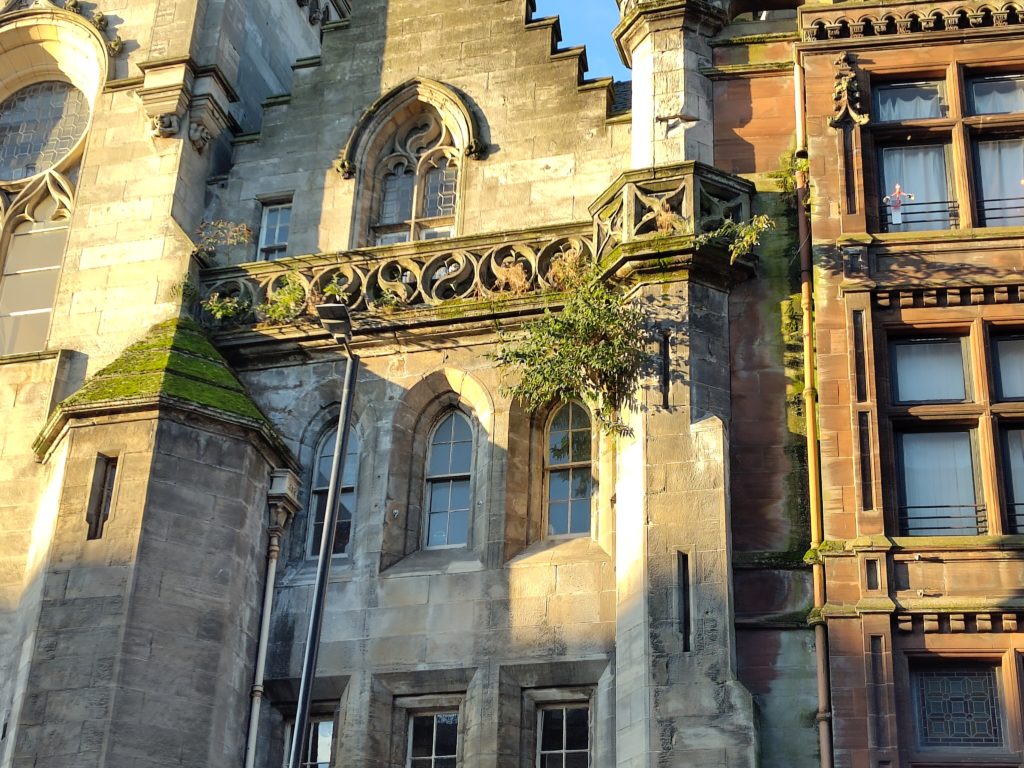
Historic stone building with plants growing out of it.

INFORM Guides

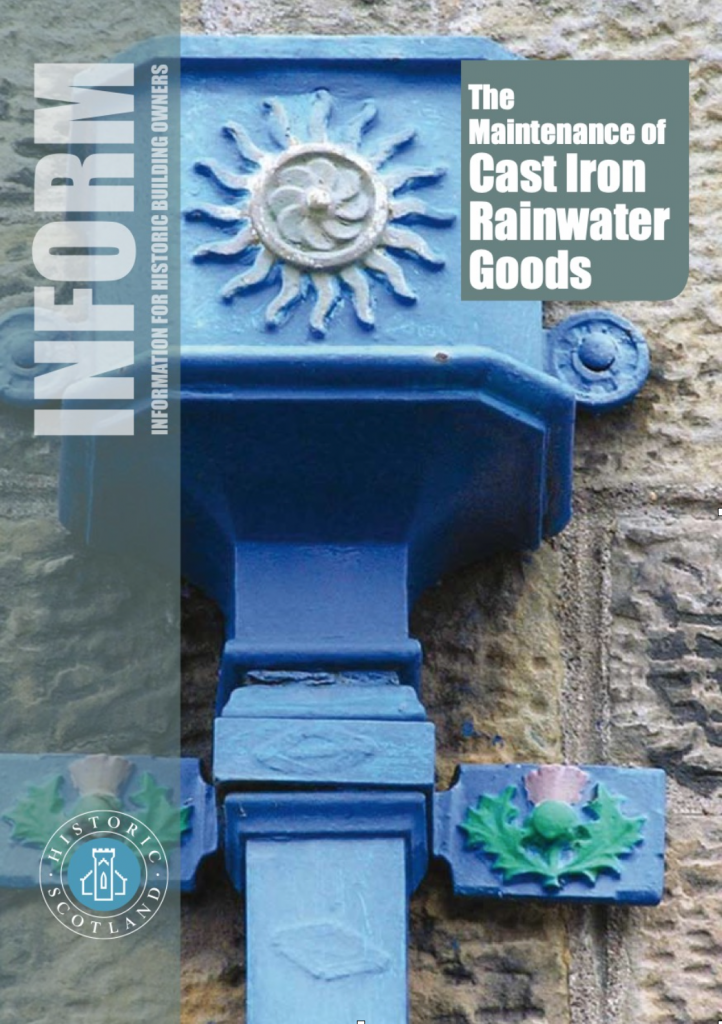
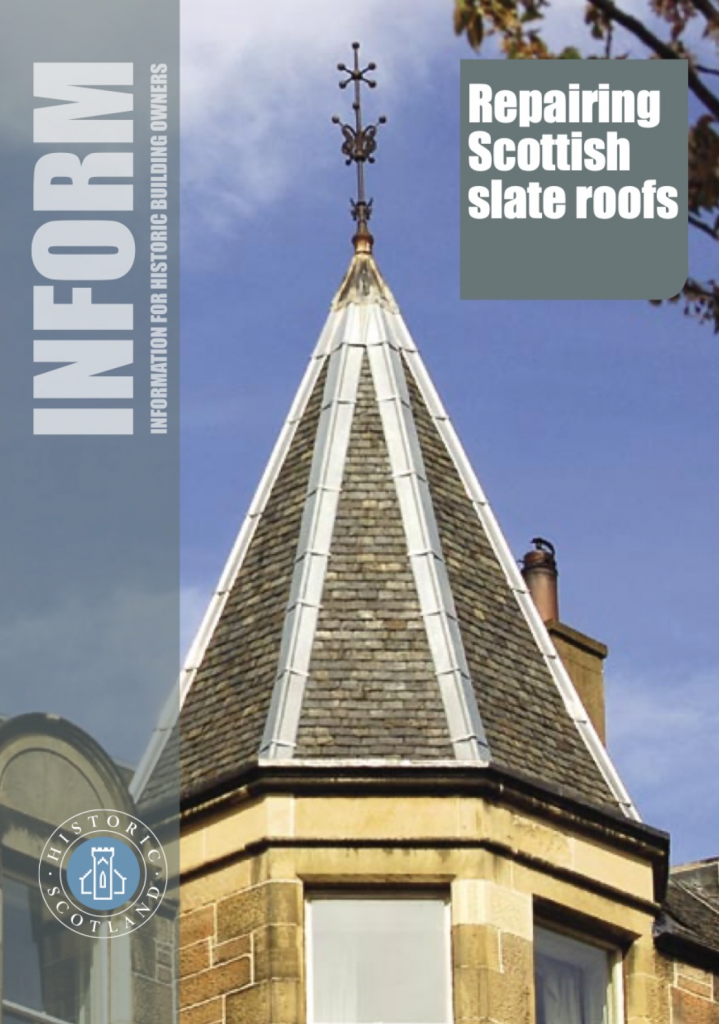
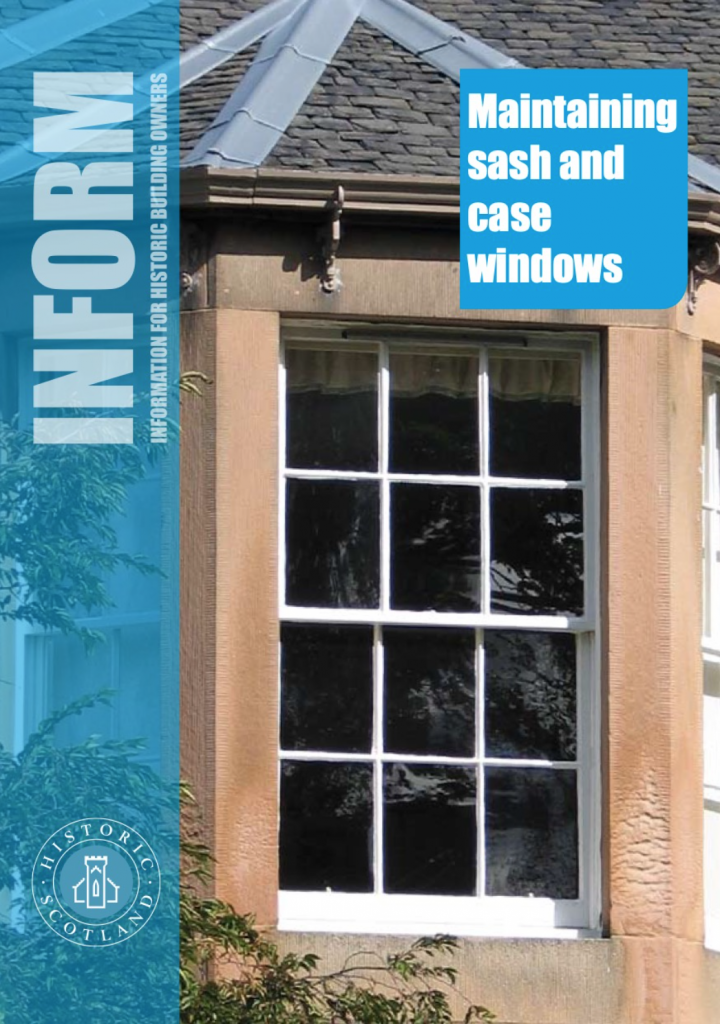
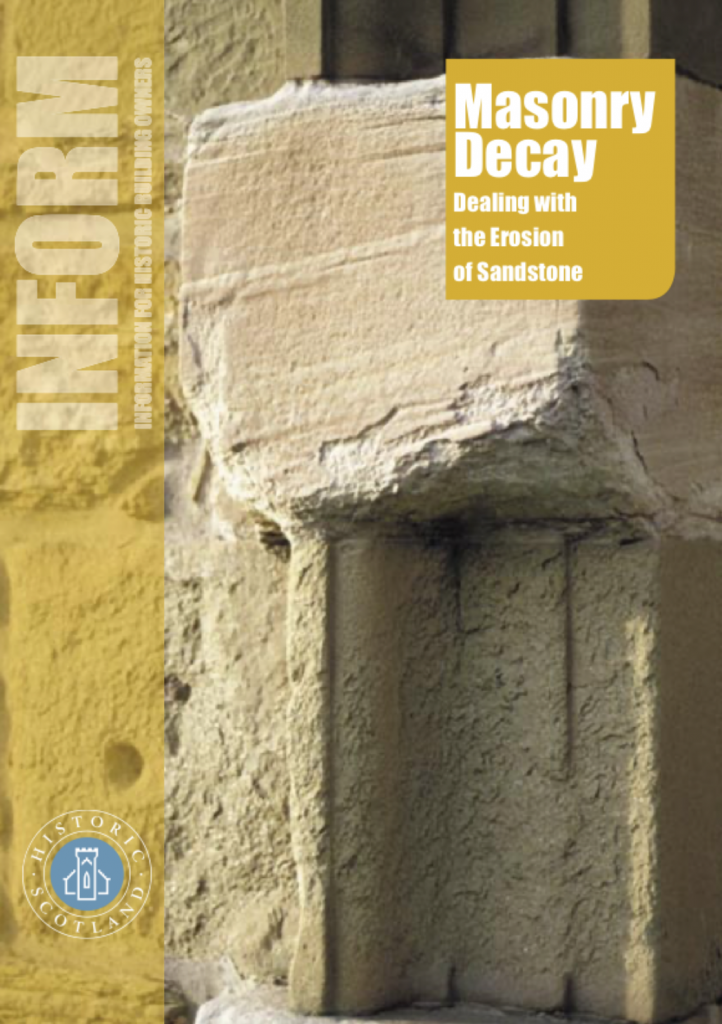
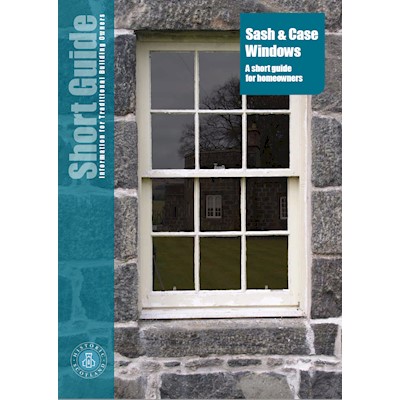
INFORM Guides: Accessible entry level leaflets providing helpful advice on a range of topics such as maintaining sash and case windows, to repairing Scottish Slate roofs and cast iron rainwater goods.

Click here to visit the Engine Shed website and browse all the INFORM Guides


Short Guides

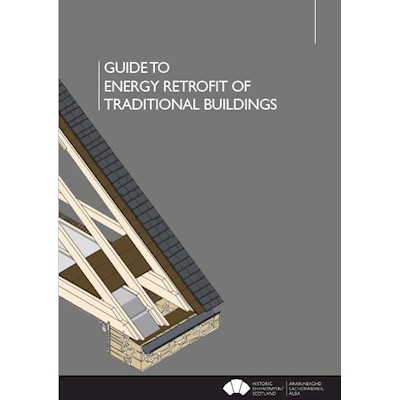
These are more in depth publications that offer guidance and practical solutions on a range of topics covering aspects such as adapting traditional buildings to deal with climate change and maintaining your home.


Technical Advice Notes

These notes are aimed at providing in-depth technical information for building conservation professionals on a range of topics.

Publications from the Engine Shed

tan1web
TAN 01 - Preparation and use of lime mortars
tan10web
TAN 10 - Biological growths on sandstone buildings
tan25web
TAN 25 - Maintenance and repair of cleaned stone buildings
tan31web
TAN 31 Stone masonry materials and skills
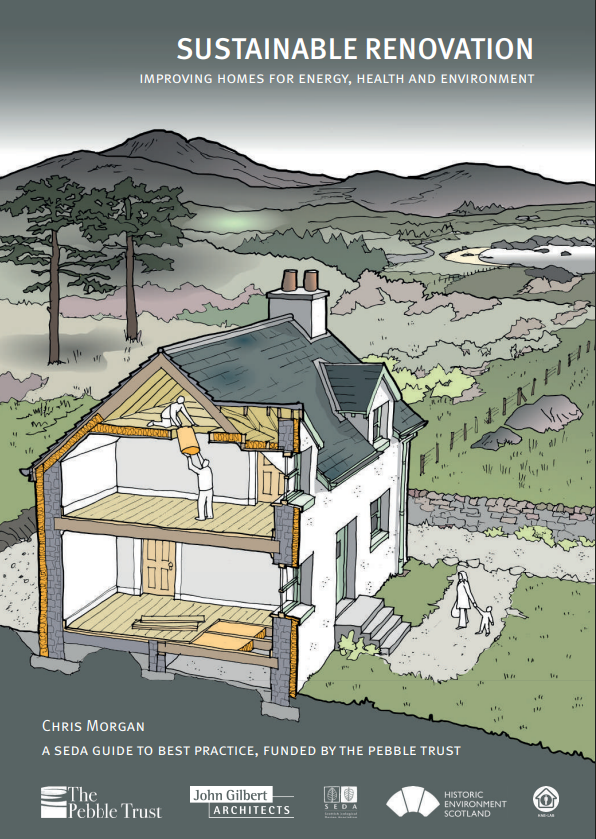
Publications from the Scottish Ecological Design Association

Conservation Advice

Historic Environment Scotland’s ‘Engine Shed’ Conservation Centre

The Engine Shed is Scotland’s dedicated building conservation centre and is based in Stirling. It is part of Historic Environment Scotland and acts as a central hub for building and conservation professionals and the general public.

The full range of building advice guidance can be accessed via the Engine Shed Website: Engine Shed

The Engine Shed is home to a conservation science team and technical outreach and education team. It organises a range of Training & Learning Events at the Engine Shed across the year: Engine Shed Events

You can find more in-depth information and technical advice on the Engine Shed Publications page.

Accredited conservation professionals

Clients instigating building repair projects will often require professional advice, usually from a registered architect or chartered building surveyor.

The Royal Incorporation of Architects in Scotland (RIAS) awards Conservation Accreditation to individual RIAS members whose skills and experience in conservation architecture have been assessed by their peers and deemed of a high standard. Conservation Accredited members may act as lead professionals on projects receiving grant aid from Historic Environment Scotland and HES funded bodies, including DHET.

The Royal Institute of Chartered Surveyors operates a similar accreditation system which provides a rigorous assessment and monitoring programme, ensuring individuals affecting the historic environment understand the approach required to manage historic assets and the impact that their decisions have on all stakeholders.


Scroll to Top